What this desk holder needs to solve
The first job is simple: keep small metal clips and paperwork supplies easy to reach without making the desk look crowded. Use this guide alongside the current LeStallion comparison of paper clip holders with magnetic base when you want a product shortlist, then use the field checks here to judge fit, handling, and day-to-day upkeep in your own workspace.
Desk placement checks
Map magnetic pull, clip capacity, one-handed access, drawer clearance, and nearby writing zones before buying. Start with a paper footprint, not a product photo. Mark the width of the magnetic cup, the clearance needed to reach into it, and the space reserved for a phone or sign-in pad. The footprint envelope tells you whether the holder can sit in the desk user's natural reach without crowding receipts, badges, or appointment reminders. Load it with real sample clips, including small, jumbo, and coated clips, then check whether the cup and magnet bow or hide the bottom line of contact details. A useful holder leaves a small margin around every compartment so staff can add or remove notes without bending corners. Keep a record of clearance audit so the decision is based on observed desk behavior rather than a capacity claim.
For sizing, the quiet failure is overhang. A base can look compact until the clip pile crowds a monitor stand, brochure rack, or payment terminal. Review reach zone by using the unit from both sides of the desk and watching the nearest obstacle. If a coworker must tilt the holder to reach the back clips, it is too large for that station. Choose the capacity that fits the counter today, plus a modest reserve, rather than the deepest cup that forces everything else to move. Keep a record of replacement margin so the decision is based on observed desk behavior rather than a capacity claim.
Clip access and visibility
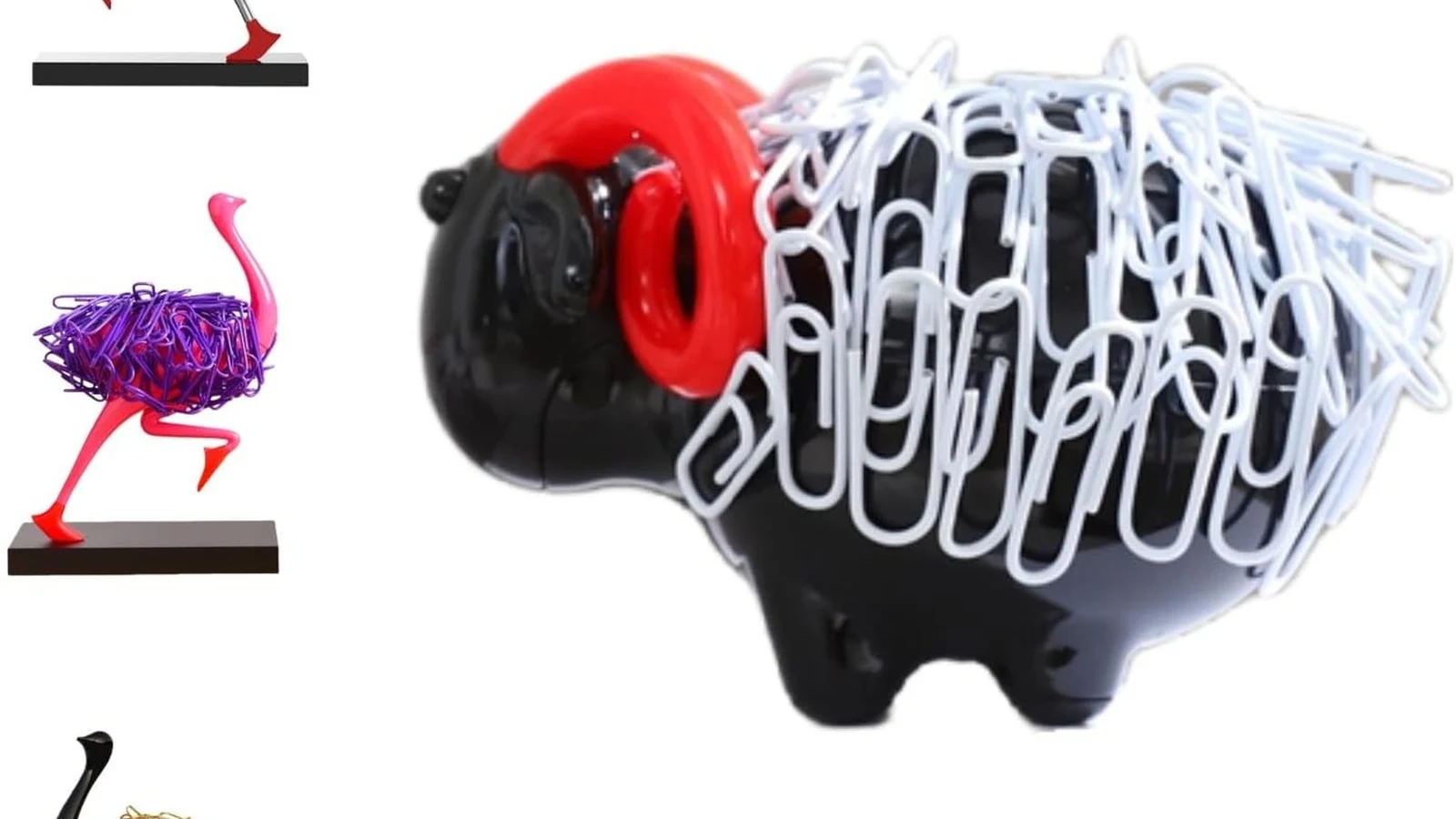
For sizing, the quiet failure is overhang. A base can look compact until the clip pile crowds a monitor stand, brochure rack, or payment terminal. Review reach zone by using the unit from both sides of the desk and watching the nearest obstacle. If a coworker must tilt the holder to reach the back clips, it is too large for that station. Choose the capacity that fits the counter today, plus a modest reserve, rather than the deepest cup that forces everything else to move. Keep a record of replacement margin so the decision is based on observed desk behavior rather than a capacity claim.
A second pass should be done during a normal workday, not on an empty desk. Start with a paper footprint, not a product photo. Mark the width of the magnetic cup, the clearance needed to reach into it, and the space reserved for a phone or sign-in pad. The magnetic cup width checks tells you whether the holder can sit in the desk user's natural reach without crowding receipts, badges, or appointment reminders. Load it with real sample clips, including small, jumbo, and coated clips, then check whether the cup and magnet bow or hide the bottom line of contact details. A useful holder leaves a small margin around every compartment so staff can add or remove notes without bending corners. Keep a record of desk neighbor map so the decision is based on observed desk behavior rather than a capacity claim.
Staff update routine
Field check 3: Start with a paper footprint, not a product photo. Mark the width of the magnetic cup, the clearance needed to reach into it, and the space reserved for a phone or sign-in pad. The magnetic cup width checks tells you whether the holder can sit in the desk user's natural reach without crowding receipts, badges, or appointment reminders. Load it with real sample clips, including small, jumbo, and coated clips, then check whether the cup and magnet bow or hide the bottom line of contact details. A useful holder leaves a small margin around every compartment so staff can add or remove notes without bending corners. Keep a record of desk neighbor map so the decision is based on observed desk behavior rather than a capacity claim.
For sizing, the quiet failure is overhang. A base can look compact until the clip pile crowds a monitor stand, brochure rack, or payment terminal. Review replacement margin by using the unit from both sides of the desk and watching the nearest obstacle. If a coworker must tilt the holder to reach the back clips, it is too large for that station. Choose the capacity that fits the counter today, plus a modest reserve, rather than the deepest cup that forces everything else to move. Keep a record of footprint envelope so the decision is based on observed desk behavior rather than a capacity claim.
Desk-user-side testing
For sizing, the quiet failure is overhang. A base can look compact until the clip pile crowds a monitor stand, brochure rack, or payment terminal. Review replacement margin by using the unit from both sides of the desk and watching the nearest obstacle. If a coworker must tilt the holder to reach the back clips, it is too large for that station. Choose the capacity that fits the counter today, plus a modest reserve, rather than the deepest cup that forces everything else to move. Keep a record of footprint envelope so the decision is based on observed desk behavior rather than a capacity claim.
A second pass should be done during a normal workday, not on an empty desk. Start with a paper footprint, not a product photo. Mark the width of the magnetic cup, the clearance needed to reach into it, and the space reserved for a phone or sign-in pad. The clearance audit tells you whether the holder can sit in the desk user's natural reach without crowding receipts, badges, or appointment reminders. Load it with real sample clips, including small, jumbo, and coated clips, then check whether the cup and magnet bow or hide the bottom line of contact details. A useful holder leaves a small margin around every compartment so staff can add or remove notes without bending corners. Keep a record of clip capacity bands so the decision is based on observed desk behavior rather than a capacity claim.
Quick check: desk-user-side testing
Write down three observations before deciding: who uses the dispenser, which clip size is searched for most often, and whether the holder stays in the same position after repeated use. This keeps the decision tied to a real desk workflow rather than a product photo.
Buying signals that matter
Field check 5: Start with a paper footprint, not a product photo. Mark the width of the magnetic cup, the clearance needed to reach into it, and the space reserved for a phone or sign-in pad. The clearance audit tells you whether the holder can sit in the desk user's natural reach without crowding receipts, badges, or appointment reminders. Load it with real sample clips, including small, jumbo, and coated clips, then check whether the cup and magnet bow or hide the bottom line of contact details. A useful holder leaves a small margin around every compartment so staff can add or remove notes without bending corners. Keep a record of clip capacity bands so the decision is based on observed desk behavior rather than a capacity claim.
For sizing, the quiet failure is overhang. A base can look compact until the clip pile crowds a monitor stand, brochure rack, or payment terminal. Review footprint envelope by using the unit from both sides of the desk and watching the nearest obstacle. If a coworker must tilt the holder to reach the back clips, it is too large for that station. Choose the capacity that fits the counter today, plus a modest reserve, rather than the deepest cup that forces everything else to move. Keep a record of magnetic cup width checks so the decision is based on observed desk behavior rather than a capacity claim.
Mistakes to avoid
For sizing, the quiet failure is overhang. A base can look compact until the clip pile crowds a monitor stand, brochure rack, or payment terminal. Review footprint envelope by using the unit from both sides of the desk and watching the nearest obstacle. If a coworker must tilt the holder to reach the back clips, it is too large for that station. Choose the capacity that fits the counter today, plus a modest reserve, rather than the deepest cup that forces everything else to move. Keep a record of magnetic cup width checks so the decision is based on observed desk behavior rather than a capacity claim.
A second pass should be done during a normal workday, not on an empty desk. Start with a paper footprint, not a product photo. Mark the width of the magnetic cup, the clearance needed to reach into it, and the space reserved for a phone or sign-in pad. The desk neighbor map tells you whether the holder can sit in the desk user's natural reach without crowding receipts, badges, or appointment reminders. Load it with real sample clips, including small, jumbo, and coated clips, then check whether the cup and magnet bow or hide the bottom line of contact details. A useful holder leaves a small margin around every compartment so staff can add or remove notes without bending corners. Keep a record of reach zone so the decision is based on observed desk behavior rather than a capacity claim.
At the midpoint, compare those observations with the product details in the LeStallion magnetic paper clip holder review; the useful match is the one that supports your clip count, counter depth, and update schedule without adding visual clutter.
Final desk rehearsal
Field check 7: Start with a paper footprint, not a product photo. Mark the width of the magnetic cup, the clearance needed to reach into it, and the space reserved for a phone or sign-in pad. The desk neighbor map tells you whether the holder can sit in the desk user's natural reach without crowding receipts, badges, or appointment reminders. Load it with real sample clips, including small, jumbo, and coated clips, then check whether the cup and magnet bow or hide the bottom line of contact details. A useful holder leaves a small margin around every compartment so staff can add or remove notes without bending corners. Keep a record of reach zone so the decision is based on observed desk behavior rather than a capacity claim.
For sizing, the quiet failure is overhang. A base can look compact until the clip pile crowds a monitor stand, brochure rack, or payment terminal. Review magnetic cup width checks by using the unit from both sides of the desk and watching the nearest obstacle. If a coworker must tilt the holder to reach the back clips, it is too large for that station. Choose the capacity that fits the counter today, plus a modest reserve, rather than the deepest cup that forces everything else to move. Keep a record of clearance audit so the decision is based on observed desk behavior rather than a capacity claim.
Acceptance findings
For sizing, the quiet failure is overhang. A base can look compact until the clip pile crowds a monitor stand, brochure rack, or payment terminal. Review magnetic cup width checks by using the unit from both sides of the desk and watching the nearest obstacle. If a coworker must tilt the holder to reach the back clips, it is too large for that station. Choose the capacity that fits the counter today, plus a modest reserve, rather than the deepest cup that forces everything else to move. Keep a record of clearance audit so the decision is based on observed desk behavior rather than a capacity claim.
A second pass should be done during a normal workday, not on an empty desk. Start with a paper footprint, not a product photo. Mark the width of the magnetic cup, the clearance needed to reach into it, and the space reserved for a phone or sign-in pad. The clip capacity bands tells you whether the holder can sit in the desk user's natural reach without crowding receipts, badges, or appointment reminders. Load it with real sample clips, including small, jumbo, and coated clips, then check whether the cup and magnet bow or hide the bottom line of contact details. A useful holder leaves a small margin around every compartment so staff can add or remove notes without bending corners. Keep a record of replacement margin so the decision is based on observed desk behavior rather than a capacity claim.
Quick check: acceptance findings
Write down three observations before deciding: who uses the dispenser, which clip size is searched for most often, and whether the holder stays in the same position after repeated use. This keeps the decision tied to a real desk workflow rather than a product photo.
Long-term ownership
Field check 9: Start with a paper footprint, not a product photo. Mark the width of the magnetic cup, the clearance needed to reach into it, and the space reserved for a phone or sign-in pad. The clip capacity bands tells you whether the holder can sit in the desk user's natural reach without crowding receipts, badges, or appointment reminders. Load it with real sample clips, including small, jumbo, and coated clips, then check whether the cup and magnet bow or hide the bottom line of contact details. A useful holder leaves a small margin around every compartment so staff can add or remove notes without bending corners. Keep a record of replacement margin so the decision is based on observed desk behavior rather than a capacity claim.
For sizing, the quiet failure is overhang. A base can look compact until the clip pile crowds a monitor stand, brochure rack, or payment terminal. Review clearance audit by using the unit from both sides of the desk and watching the nearest obstacle. If a coworker must tilt the holder to reach the back clips, it is too large for that station. Choose the capacity that fits the counter today, plus a modest reserve, rather than the deepest cup that forces everything else to move. Keep a record of desk neighbor map so the decision is based on observed desk behavior rather than a capacity claim.
Related cloud desk-organization reference
For a neighboring clip-storage format, keep the previous field check on desktop sticky-note dispensers with storage near the bottom of the research path. It is a different storage style, but it helps compare card-display carousels with a clip-and-supply station.