What this desk holder needs to solve
The first job is simple: keep small metal clips and paperwork supplies easy to reach without making the desk look crowded. Use this guide alongside the current LeStallion comparison of paper clip holders with magnetic base when you want a product shortlist, then use the field checks here to judge fit, handling, and day-to-day upkeep in your own workspace.
Desk placement checks
Spot weak magnets, sliding bases, sharp rims, tiny capacity, clip clumping, and hard-to-clean finishes. Treat the first week like an acceptance test. The wobble test is a yes-or-no signal: does the holder wobble, does the first clip stay visible, and can a coworker find the right clip size without help? If any answer is unclear, do not excuse it as a setup issue. A public-facing clip holder has to communicate instantly because desk users rarely study it patiently. Keep a record of return inspection so the decision is based on observed desk behavior rather than a capacity claim.
Red flags are easier to catch when you write them down. During capacity truth, note tight cup and magnet, glare on glossy cups, clips hidden under neighboring supplies, and any base that drifts when turned. Also check the return window before adding every clip. A holder that fails a quick counter trial will only become more frustrating after staff changes, reprints, and everyday dust. Keep a record of public desk trial so the decision is based on observed desk behavior rather than a capacity claim.
Clip access and visibility
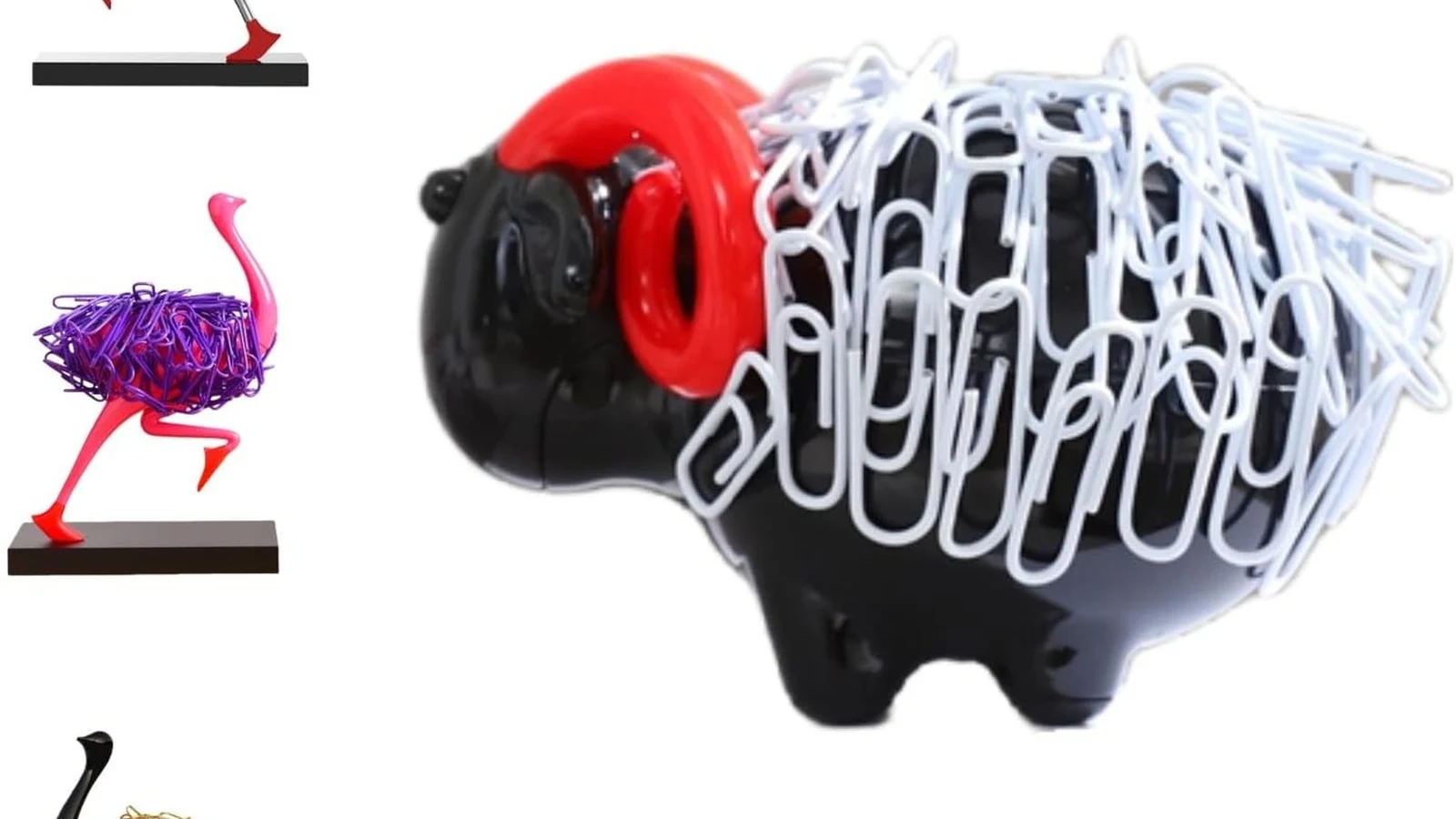
Red flags are easier to catch when you write them down. During capacity truth, note tight cup and magnet, glare on glossy cups, clips hidden under neighboring supplies, and any base that drifts when turned. Also check the return window before adding every clip. A holder that fails a quick counter trial will only become more frustrating after staff changes, reprints, and everyday dust. Keep a record of public desk trial so the decision is based on observed desk behavior rather than a capacity claim.
A second pass should be done during a normal workday, not on an empty desk. Treat the first week like an acceptance test. The magnet drag is a yes-or-no signal: does the holder wobble, does the first clip stay visible, and can a coworker find the right clip size without help? If any answer is unclear, do not excuse it as a setup issue. A public-facing clip holder has to communicate instantly because desk users rarely study it patiently. Keep a record of failure signs so the decision is based on observed desk behavior rather than a capacity claim.
Staff update routine
Field check 3: Treat the first week like an acceptance test. The magnet drag is a yes-or-no signal: does the holder wobble, does the first clip stay visible, and can a coworker find the right clip size without help? If any answer is unclear, do not excuse it as a setup issue. A public-facing clip holder has to communicate instantly because desk users rarely study it patiently. Keep a record of failure signs so the decision is based on observed desk behavior rather than a capacity claim.
Red flags are easier to catch when you write them down. During public desk trial, note tight cup and magnet, glare on glossy cups, clips hidden under neighboring supplies, and any base that drifts when turned. Also check the return window before adding every clip. A holder that fails a quick counter trial will only become more frustrating after staff changes, reprints, and everyday dust. Keep a record of wobble test so the decision is based on observed desk behavior rather than a capacity claim.
Desk-user-side testing
Red flags are easier to catch when you write them down. During public desk trial, note tight cup and magnet, glare on glossy cups, clips hidden under neighboring supplies, and any base that drifts when turned. Also check the return window before adding every clip. A holder that fails a quick counter trial will only become more frustrating after staff changes, reprints, and everyday dust. Keep a record of wobble test so the decision is based on observed desk behavior rather than a capacity claim.
A second pass should be done during a normal workday, not on an empty desk. Treat the first week like an acceptance test. The return inspection is a yes-or-no signal: does the holder wobble, does the first clip stay visible, and can a coworker find the right clip size without help? If any answer is unclear, do not excuse it as a setup issue. A public-facing clip holder has to communicate instantly because desk users rarely study it patiently. Keep a record of clip visibility so the decision is based on observed desk behavior rather than a capacity claim.
Quick check: desk-user-side testing
Write down three observations before deciding: who uses the dispenser, which clip size is searched for most often, and whether the holder stays in the same position after repeated use. This keeps the decision tied to a real desk workflow rather than a product photo.
Buying signals that matter
Field check 5: Treat the first week like an acceptance test. The return inspection is a yes-or-no signal: does the holder wobble, does the first clip stay visible, and can a coworker find the right clip size without help? If any answer is unclear, do not excuse it as a setup issue. A public-facing clip holder has to communicate instantly because desk users rarely study it patiently. Keep a record of clip visibility so the decision is based on observed desk behavior rather than a capacity claim.
Red flags are easier to catch when you write them down. During wobble test, note tight cup and magnet, glare on glossy cups, clips hidden under neighboring supplies, and any base that drifts when turned. Also check the return window before adding every clip. A holder that fails a quick counter trial will only become more frustrating after staff changes, reprints, and everyday dust. Keep a record of magnet drag so the decision is based on observed desk behavior rather than a capacity claim.
Mistakes to avoid
Red flags are easier to catch when you write them down. During wobble test, note tight cup and magnet, glare on glossy cups, clips hidden under neighboring supplies, and any base that drifts when turned. Also check the return window before adding every clip. A holder that fails a quick counter trial will only become more frustrating after staff changes, reprints, and everyday dust. Keep a record of magnet drag so the decision is based on observed desk behavior rather than a capacity claim.
A second pass should be done during a normal workday, not on an empty desk. Treat the first week like an acceptance test. The failure signs is a yes-or-no signal: does the holder wobble, does the first clip stay visible, and can a coworker find the right clip size without help? If any answer is unclear, do not excuse it as a setup issue. A public-facing clip holder has to communicate instantly because desk users rarely study it patiently. Keep a record of capacity truth so the decision is based on observed desk behavior rather than a capacity claim.
At the midpoint, compare those observations with the product details in the LeStallion magnetic paper clip holder review; the useful match is the one that supports your clip count, counter depth, and update schedule without adding visual clutter.
Final desk rehearsal
Field check 7: Treat the first week like an acceptance test. The failure signs is a yes-or-no signal: does the holder wobble, does the first clip stay visible, and can a coworker find the right clip size without help? If any answer is unclear, do not excuse it as a setup issue. A public-facing clip holder has to communicate instantly because desk users rarely study it patiently. Keep a record of capacity truth so the decision is based on observed desk behavior rather than a capacity claim.
Red flags are easier to catch when you write them down. During magnet drag, note tight cup and magnet, glare on glossy cups, clips hidden under neighboring supplies, and any base that drifts when turned. Also check the return window before adding every clip. A holder that fails a quick counter trial will only become more frustrating after staff changes, reprints, and everyday dust. Keep a record of return inspection so the decision is based on observed desk behavior rather than a capacity claim.
Acceptance findings
Red flags are easier to catch when you write them down. During magnet drag, note tight cup and magnet, glare on glossy cups, clips hidden under neighboring supplies, and any base that drifts when turned. Also check the return window before adding every clip. A holder that fails a quick counter trial will only become more frustrating after staff changes, reprints, and everyday dust. Keep a record of return inspection so the decision is based on observed desk behavior rather than a capacity claim.
A second pass should be done during a normal workday, not on an empty desk. Treat the first week like an acceptance test. The clip visibility is a yes-or-no signal: does the holder wobble, does the first clip stay visible, and can a coworker find the right clip size without help? If any answer is unclear, do not excuse it as a setup issue. A public-facing clip holder has to communicate instantly because desk users rarely study it patiently. Keep a record of public desk trial so the decision is based on observed desk behavior rather than a capacity claim.
Quick check: acceptance findings
Write down three observations before deciding: who uses the dispenser, which clip size is searched for most often, and whether the holder stays in the same position after repeated use. This keeps the decision tied to a real desk workflow rather than a product photo.
Long-term ownership
Field check 9: Treat the first week like an acceptance test. The clip visibility is a yes-or-no signal: does the holder wobble, does the first clip stay visible, and can a coworker find the right clip size without help? If any answer is unclear, do not excuse it as a setup issue. A public-facing clip holder has to communicate instantly because desk users rarely study it patiently. Keep a record of public desk trial so the decision is based on observed desk behavior rather than a capacity claim.
Red flags are easier to catch when you write them down. During return inspection, note tight cup and magnet, glare on glossy cups, clips hidden under neighboring supplies, and any base that drifts when turned. Also check the return window before adding every clip. A holder that fails a quick counter trial will only become more frustrating after staff changes, reprints, and everyday dust. Keep a record of failure signs so the decision is based on observed desk behavior rather than a capacity claim.
Related cloud desk-organization reference
For a neighboring clip-storage format, keep the previous field check on desktop sticky-note dispensers with storage near the bottom of the research path. It is a different storage style, but it helps compare card-display carousels with a clip-and-supply station.