What this desk holder needs to solve
The first job is simple: keep small metal clips and paperwork supplies easy to reach without making the desk look crowded. Use this guide alongside the current LeStallion comparison of paper clip holders with magnetic base when you want a product shortlist, then use the field checks here to judge fit, handling, and day-to-day upkeep in your own workspace.
Desk placement checks
Map a compact desk with forms, envelopes, clips, pens, and a clean refill routine. Picture a small service counter with a scheduler, a form stack, a bowl of pens, and three people trying to leave with the right contact. In that setting, the salon counter is not decorative; it guides the next step. Put the most requested clips at the front, reserve a clearly labeled section for specialists, and keep the dispenser close enough for desk users to browse without reaching across private paperwork. Keep a record of event table so the decision is based on observed desk behavior rather than a capacity claim.
A real scenario exposes details that a clean product shot hides. In repair shop, the holder may share space with intake forms, loyalty cards, appointment reminders, and seasonal notices. The holder works when it gives each clip type a stable home and lets staff refill one compartment at a time. If customers keep asking which clip to use, the order, labels, or desk position needs to change before the product choice is blamed. Keep a record of shared suite so the decision is based on observed desk behavior rather than a capacity claim.
Clip access and visibility
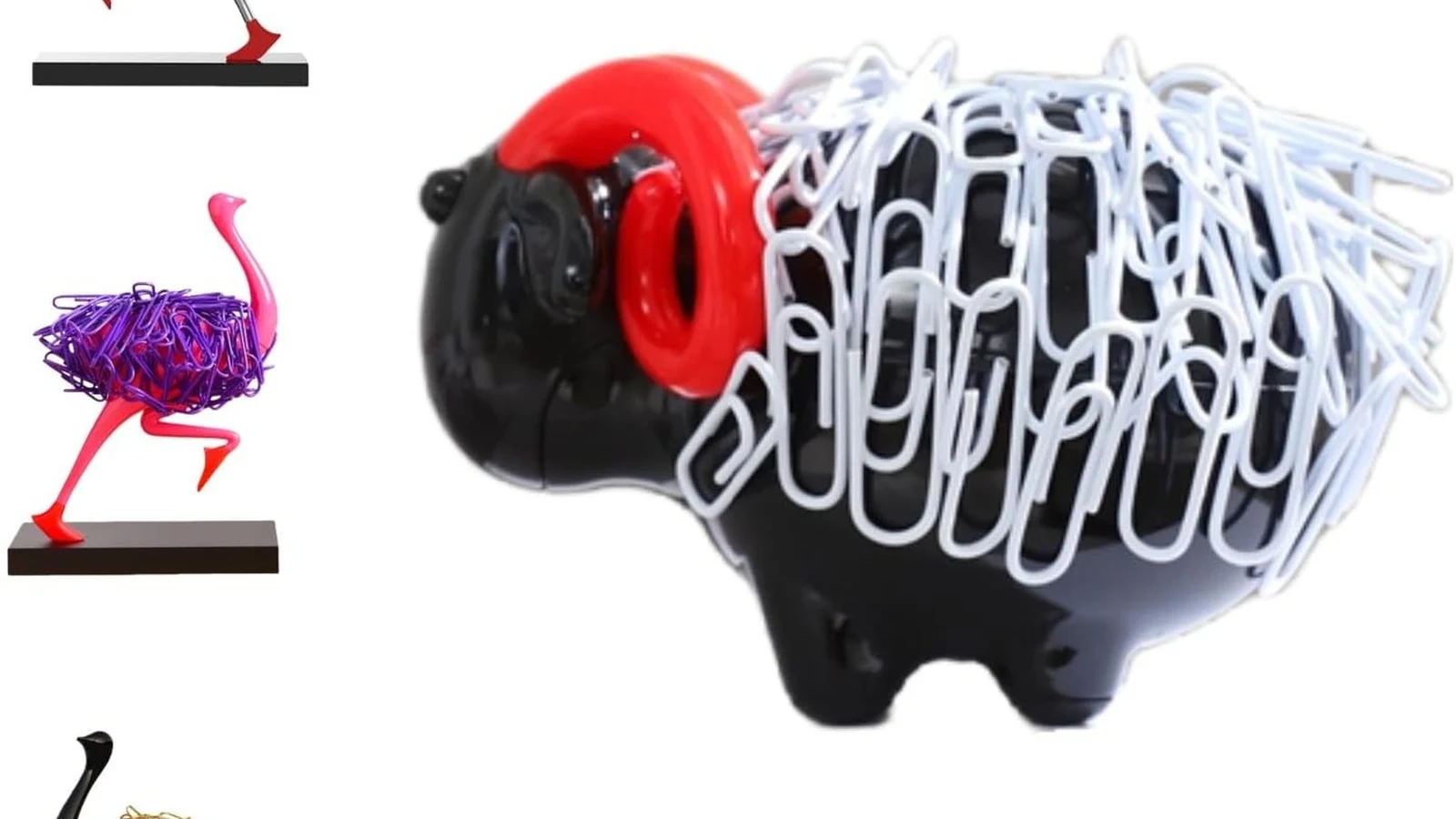
A real scenario exposes details that a clean product shot hides. In repair shop, the holder may share space with intake forms, loyalty cards, appointment reminders, and seasonal notices. The holder works when it gives each clip type a stable home and lets staff refill one compartment at a time. If customers keep asking which clip to use, the order, labels, or desk position needs to change before the product choice is blamed. Keep a record of shared suite so the decision is based on observed desk behavior rather than a capacity claim.
A second pass should be done during a normal workday, not on an empty desk. Picture a small service counter with a scheduler, a form stack, a bowl of pens, and three people trying to leave with the right contact. In that setting, the agency lobby is not decorative; it guides the next step. Put the most requested clips at the front, reserve a clearly labeled section for specialists, and keep the dispenser close enough for desk users to browse without reaching across private paperwork. Keep a record of seasonal update so the decision is based on observed desk behavior rather than a capacity claim.
Staff update routine
Field check 3: Picture a small service counter with a scheduler, a form stack, a bowl of pens, and three people trying to leave with the right contact. In that setting, the agency lobby is not decorative; it guides the next step. Put the most requested clips at the front, reserve a clearly labeled section for specialists, and keep the dispenser close enough for desk users to browse without reaching across private paperwork. Keep a record of seasonal update so the decision is based on observed desk behavior rather than a capacity claim.
A real scenario exposes details that a clean product shot hides. In shared suite, the holder may share space with intake forms, loyalty cards, appointment reminders, and seasonal notices. The holder works when it gives each clip type a stable home and lets staff refill one compartment at a time. If customers keep asking which clip to use, the order, labels, or desk position needs to change before the product choice is blamed. Keep a record of salon counter so the decision is based on observed desk behavior rather than a capacity claim.
Desk-user-side testing
A real scenario exposes details that a clean product shot hides. In shared suite, the holder may share space with intake forms, loyalty cards, appointment reminders, and seasonal notices. The holder works when it gives each clip type a stable home and lets staff refill one compartment at a time. If customers keep asking which clip to use, the order, labels, or desk position needs to change before the product choice is blamed. Keep a record of salon counter so the decision is based on observed desk behavior rather than a capacity claim.
A second pass should be done during a normal workday, not on an empty desk. Picture a small service counter with a scheduler, a form stack, a bowl of pens, and three people trying to leave with the right contact. In that setting, the event table is not decorative; it guides the next step. Put the most requested clips at the front, reserve a clearly labeled section for specialists, and keep the dispenser close enough for desk users to browse without reaching across private paperwork. Keep a record of clinic desk so the decision is based on observed desk behavior rather than a capacity claim.
Quick check: desk-user-side testing
Write down three observations before deciding: who uses the dispenser, which clip size is searched for most often, and whether the holder stays in the same position after repeated use. This keeps the decision tied to a real desk workflow rather than a product photo.
Buying signals that matter
Field check 5: Picture a small service counter with a scheduler, a form stack, a bowl of pens, and three people trying to leave with the right contact. In that setting, the event table is not decorative; it guides the next step. Put the most requested clips at the front, reserve a clearly labeled section for specialists, and keep the dispenser close enough for desk users to browse without reaching across private paperwork. Keep a record of clinic desk so the decision is based on observed desk behavior rather than a capacity claim.
A real scenario exposes details that a clean product shot hides. In salon counter, the holder may share space with intake forms, loyalty cards, appointment reminders, and seasonal notices. The holder works when it gives each clip type a stable home and lets staff refill one compartment at a time. If customers keep asking which clip to use, the order, labels, or desk position needs to change before the product choice is blamed. Keep a record of agency lobby so the decision is based on observed desk behavior rather than a capacity claim.
Mistakes to avoid
A real scenario exposes details that a clean product shot hides. In salon counter, the holder may share space with intake forms, loyalty cards, appointment reminders, and seasonal notices. The holder works when it gives each clip type a stable home and lets staff refill one compartment at a time. If customers keep asking which clip to use, the order, labels, or desk position needs to change before the product choice is blamed. Keep a record of agency lobby so the decision is based on observed desk behavior rather than a capacity claim.
A second pass should be done during a normal workday, not on an empty desk. Picture a small service counter with a scheduler, a form stack, a bowl of pens, and three people trying to leave with the right contact. In that setting, the seasonal update is not decorative; it guides the next step. Put the most requested clips at the front, reserve a clearly labeled section for specialists, and keep the dispenser close enough for desk users to browse without reaching across private paperwork. Keep a record of repair shop so the decision is based on observed desk behavior rather than a capacity claim.
At the midpoint, compare those observations with the product details in the LeStallion magnetic paper clip holder review; the useful match is the one that supports your clip count, counter depth, and update schedule without adding visual clutter.
Final desk rehearsal
Field check 7: Picture a small service counter with a scheduler, a form stack, a bowl of pens, and three people trying to leave with the right contact. In that setting, the seasonal update is not decorative; it guides the next step. Put the most requested clips at the front, reserve a clearly labeled section for specialists, and keep the dispenser close enough for desk users to browse without reaching across private paperwork. Keep a record of repair shop so the decision is based on observed desk behavior rather than a capacity claim.
A real scenario exposes details that a clean product shot hides. In agency lobby, the holder may share space with intake forms, loyalty cards, appointment reminders, and seasonal notices. The holder works when it gives each clip type a stable home and lets staff refill one compartment at a time. If customers keep asking which clip to use, the order, labels, or desk position needs to change before the product choice is blamed. Keep a record of event table so the decision is based on observed desk behavior rather than a capacity claim.
Acceptance findings
A real scenario exposes details that a clean product shot hides. In agency lobby, the holder may share space with intake forms, loyalty cards, appointment reminders, and seasonal notices. The holder works when it gives each clip type a stable home and lets staff refill one compartment at a time. If customers keep asking which clip to use, the order, labels, or desk position needs to change before the product choice is blamed. Keep a record of event table so the decision is based on observed desk behavior rather than a capacity claim.
A second pass should be done during a normal workday, not on an empty desk. Picture a small service counter with a scheduler, a form stack, a bowl of pens, and three people trying to leave with the right contact. In that setting, the clinic desk is not decorative; it guides the next step. Put the most requested clips at the front, reserve a clearly labeled section for specialists, and keep the dispenser close enough for desk users to browse without reaching across private paperwork. Keep a record of shared suite so the decision is based on observed desk behavior rather than a capacity claim.
Quick check: acceptance findings
Write down three observations before deciding: who uses the dispenser, which clip size is searched for most often, and whether the holder stays in the same position after repeated use. This keeps the decision tied to a real desk workflow rather than a product photo.
Long-term ownership
Field check 9: Picture a small service counter with a scheduler, a form stack, a bowl of pens, and three people trying to leave with the right contact. In that setting, the clinic desk is not decorative; it guides the next step. Put the most requested clips at the front, reserve a clearly labeled section for specialists, and keep the dispenser close enough for desk users to browse without reaching across private paperwork. Keep a record of shared suite so the decision is based on observed desk behavior rather than a capacity claim.
A real scenario exposes details that a clean product shot hides. In event table, the holder may share space with intake forms, loyalty cards, appointment reminders, and seasonal notices. The holder works when it gives each clip type a stable home and lets staff refill one compartment at a time. If customers keep asking which clip to use, the order, labels, or desk position needs to change before the product choice is blamed. Keep a record of seasonal update so the decision is based on observed desk behavior rather than a capacity claim.
Related cloud desk-organization reference
For a neighboring clip-storage format, keep the previous field check on desktop sticky-note dispensers with storage near the bottom of the research path. It is a different storage style, but it helps compare card-display carousels with a clip-and-supply station.