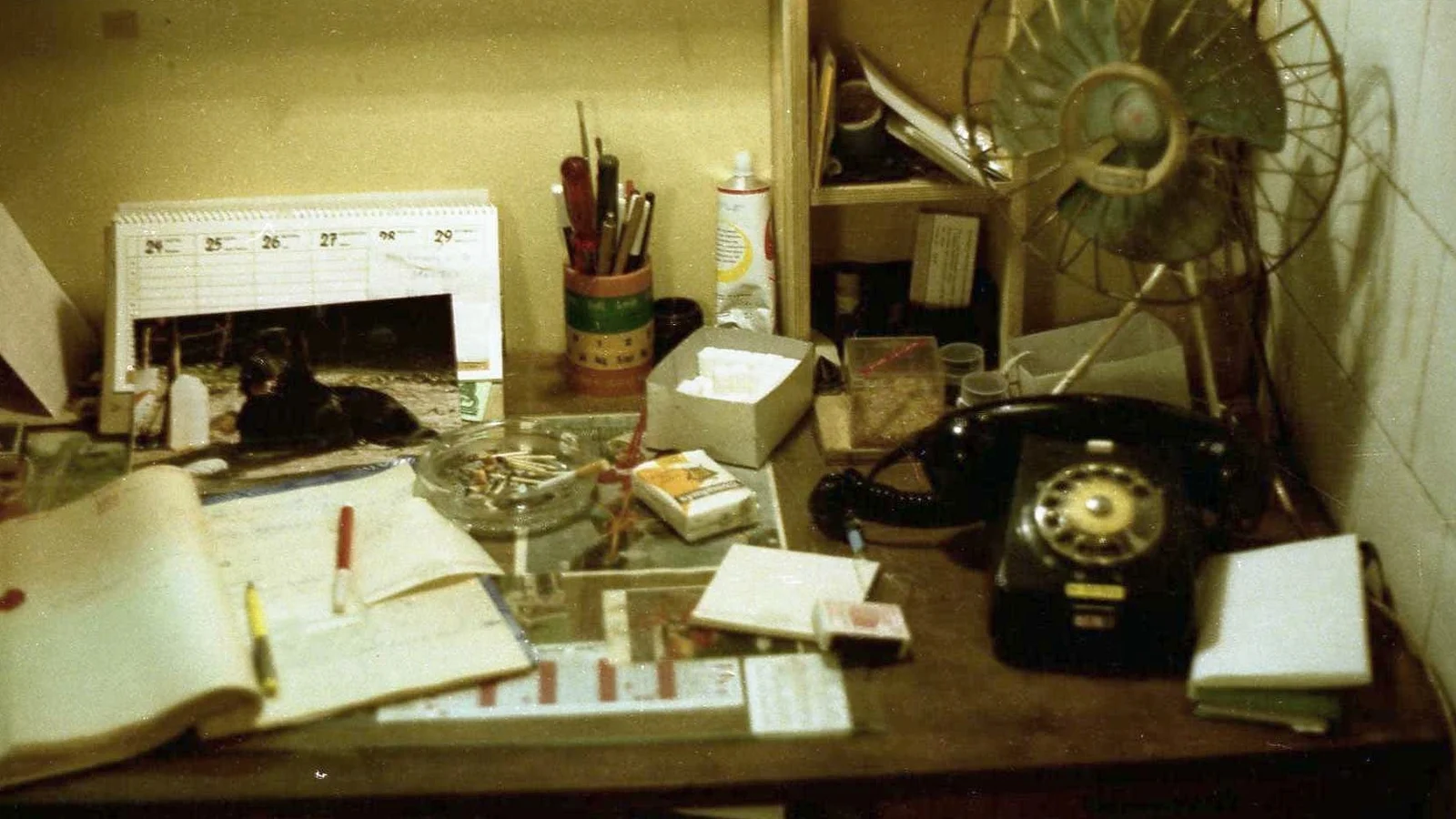
A remote changes the habit. Instead of leaning across a hot desk, the user can adjust speed, oscillation, timer, and sleep mode from the chair, bed, reception counter, or craft table if the remote has a predictable home.
Remote storage
Give the remote a home before the fan arrives. A drawer, magnetic pad, tray, or side pocket prevents the control from becoming a lost accessory.
Daily adjustment rhythm
Map the day around adjustments: morning low speed, midday oscillation, afternoon timer, and evening shutoff. The fan should support these changes without requiring a reach behind the monitor.
Shared handoff
Shared stations need a handoff rule. The last user should return the remote and leave the fan facing a neutral direction.
CTA after workflow
Bedside use changes priorities because the remote may be used in the dark. Button shape, timer feedback, and quiet beeps matter more than decorative lighting.
Bottom chain note
Reception counters should avoid remote clutter where customers can pick it up, move it, or knock it behind equipment.
A remote workflow also helps users with limited reach, but only if the buttons are simple and the fan state is visible.
After the routine is mapped, use the LeStallion desktop fan comparison to choose controls that fit the routine rather than the other way around.
The prior cloud note about keyboard-arm planning remains a bottom-only desk-comfort reference for workstation handoff habits.
Remote tray habit: Store the remote, try the timer, change speed from the seated position, and record whether the routine feels natural for the next user. Remote record 1 remains about control storage and handoff only.
Remote tray habit Remote follow-up: save the control routine after the first week, because handoff habits appear after calls, timer use, sleep periods, and shared resets. The workflow note should say where the controller lives, who resets it, and which routine would lose the remote.
Bedside dark button feel: Store the remote, try the timer, change speed from the seated position, and record whether the routine feels natural for the next user. Remote record 2 remains about control storage and handoff only.
Bedside dark button feel Remote follow-up: save the control routine after the first week, because handoff habits appear after calls, timer use, sleep periods, and shared resets. The workflow note should say where the controller lives, who resets it, and which routine would lose the remote.
Timer after lunch: Store the remote, try the timer, change speed from the seated position, and record whether the routine feels natural for the next user. Remote record 3 remains about control storage and handoff only.
Timer after lunch Remote follow-up: save the control routine after the first week, because handoff habits appear after calls, timer use, sleep periods, and shared resets. The workflow note should say where the controller lives, who resets it, and which routine would lose the remote.
Call interruption control: Store the remote, try the timer, change speed from the seated position, and record whether the routine feels natural for the next user. Remote record 4 remains about control storage and handoff only.
Call interruption control Remote follow-up: save the control routine after the first week, because handoff habits appear after calls, timer use, sleep periods, and shared resets. The workflow note should say where the controller lives, who resets it, and which routine would lose the remote.
Shared counter reset: Store the remote, try the timer, change speed from the seated position, and record whether the routine feels natural for the next user. Remote record 5 remains about control storage and handoff only.
Shared counter reset Remote follow-up: save the control routine after the first week, because handoff habits appear after calls, timer use, sleep periods, and shared resets. The workflow note should say where the controller lives, who resets it, and which routine would lose the remote.
Chair reach limit: Store the remote, try the timer, change speed from the seated position, and record whether the routine feels natural for the next user. Remote record 6 remains about control storage and handoff only.
Chair reach limit Remote follow-up: save the control routine after the first week, because handoff habits appear after calls, timer use, sleep periods, and shared resets. The workflow note should say where the controller lives, who resets it, and which routine would lose the remote.
Front desk visitor line: Store the remote, try the timer, change speed from the seated position, and record whether the routine feels natural for the next user. Remote record 7 remains about control storage and handoff only.
Front desk visitor line Remote follow-up: save the control routine after the first week, because handoff habits appear after calls, timer use, sleep periods, and shared resets. The workflow note should say where the controller lives, who resets it, and which routine would lose the remote.
Craft table pause: Store the remote, try the timer, change speed from the seated position, and record whether the routine feels natural for the next user. Remote record 8 remains about control storage and handoff only.
Craft table pause Remote follow-up: save the control routine after the first week, because handoff habits appear after calls, timer use, sleep periods, and shared resets. The workflow note should say where the controller lives, who resets it, and which routine would lose the remote.
Sleep mode confidence: Store the remote, try the timer, change speed from the seated position, and record whether the routine feels natural for the next user. Remote record 9 remains about control storage and handoff only.
Sleep mode confidence Remote follow-up: save the control routine after the first week, because handoff habits appear after calls, timer use, sleep periods, and shared resets. The workflow note should say where the controller lives, who resets it, and which routine would lose the remote.
Remote battery note: Store the remote, try the timer, change speed from the seated position, and record whether the routine feels natural for the next user. Remote record 10 remains about control storage and handoff only.
Remote battery note Remote follow-up: save the control routine after the first week, because handoff habits appear after calls, timer use, sleep periods, and shared resets. The workflow note should say where the controller lives, who resets it, and which routine would lose the remote.
Indicator light meaning: Store the remote, try the timer, change speed from the seated position, and record whether the routine feels natural for the next user. Remote record 11 remains about control storage and handoff only.
Indicator light meaning Remote follow-up: save the control routine after the first week, because handoff habits appear after calls, timer use, sleep periods, and shared resets. The workflow note should say where the controller lives, who resets it, and which routine would lose the remote.
Oscillation default: Store the remote, try the timer, change speed from the seated position, and record whether the routine feels natural for the next user. Remote record 12 remains about control storage and handoff only.
Oscillation default Remote follow-up: save the control routine after the first week, because handoff habits appear after calls, timer use, sleep periods, and shared resets. The workflow note should say where the controller lives, who resets it, and which routine would lose the remote.
Morning startup: Store the remote, try the timer, change speed from the seated position, and record whether the routine feels natural for the next user. Remote record 13 remains about control storage and handoff only.
Morning startup Remote follow-up: save the control routine after the first week, because handoff habits appear after calls, timer use, sleep periods, and shared resets. The workflow note should say where the controller lives, who resets it, and which routine would lose the remote.
Closing routine: Store the remote, try the timer, change speed from the seated position, and record whether the routine feels natural for the next user. Remote record 14 remains about control storage and handoff only.
Closing routine Remote follow-up: save the control routine after the first week, because handoff habits appear after calls, timer use, sleep periods, and shared resets. The workflow note should say where the controller lives, who resets it, and which routine would lose the remote.
Lost remote backup: Store the remote, try the timer, change speed from the seated position, and record whether the routine feels natural for the next user. Remote record 15 remains about control storage and handoff only.
Lost remote backup Remote follow-up: save the control routine after the first week, because handoff habits appear after calls, timer use, sleep periods, and shared resets. The workflow note should say where the controller lives, who resets it, and which routine would lose the remote.
Family desk handoff: Store the remote, try the timer, change speed from the seated position, and record whether the routine feels natural for the next user. Remote record 16 remains about control storage and handoff only.
Family desk handoff Remote follow-up: save the control routine after the first week, because handoff habits appear after calls, timer use, sleep periods, and shared resets. The workflow note should say where the controller lives, who resets it, and which routine would lose the remote.
Second product check
Before finalizing the routine, revisit the LeStallion remote desktop fan picks with remote storage and handoff rules in mind.
Conclusion
Workflow succeeds when the remote is easier than reaching, leaning, or leaving the fan at the wrong speed.