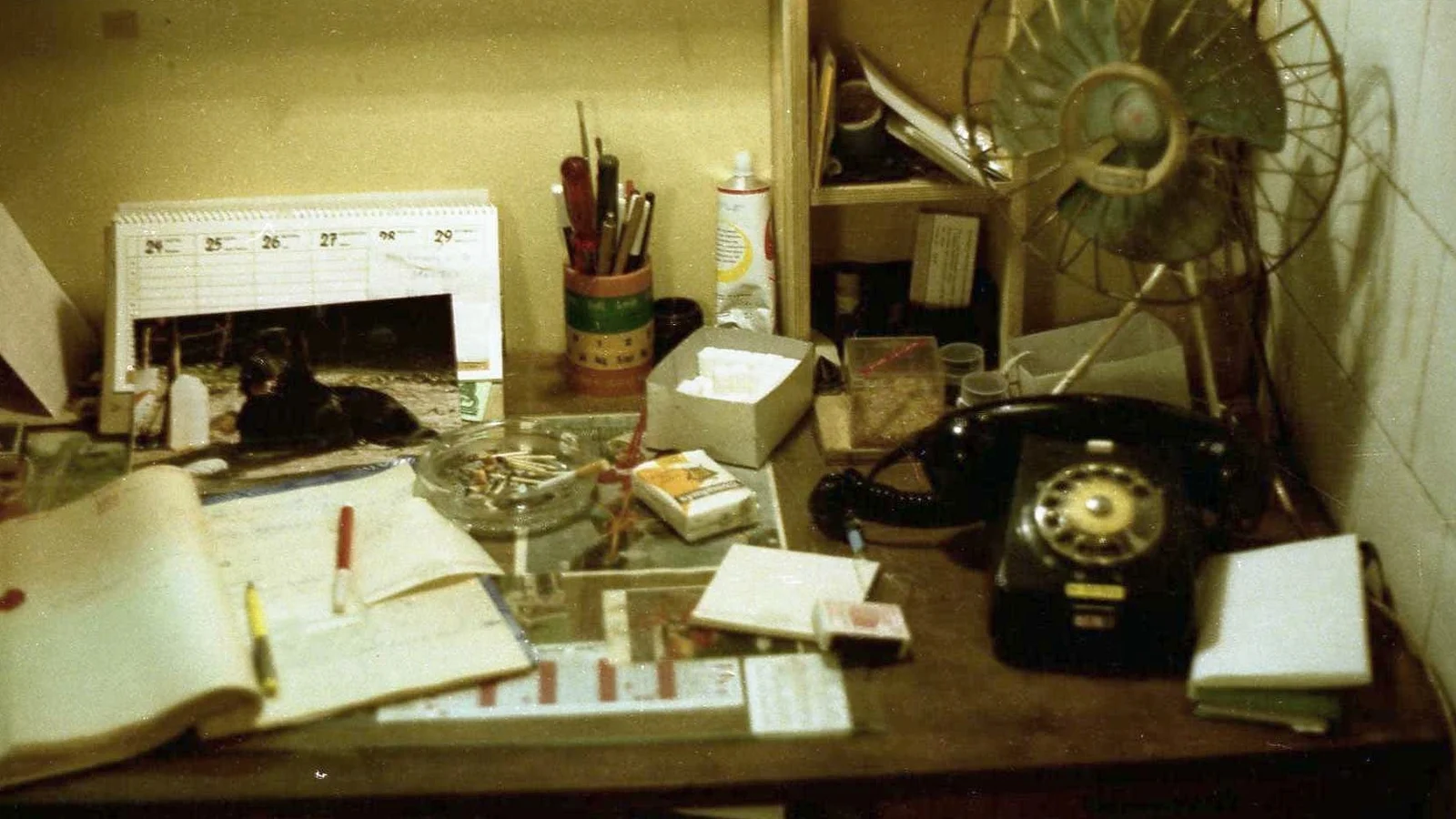
The best small fan depends on the room. A dorm desk, reception counter, bedside table, craft bench, and compact home office all need different compromises between reach, quietness, direction, and remote-control simplicity.
Match the room
A home office fan should stay quiet on video calls and avoid blowing into microphones, plants, or paper piles.
Shared and private use
Dorm rooms need small footprints, simple remotes, timer behavior, and easy storage when the desk becomes a dining or study surface.
Noise and reach
Reception counters need a neat appearance and airflow aimed behind the work area, not toward visitors or paperwork.
CTA after scenario
Craft tables need stable bases because fabric, paper, glue, paint, or small parts can be disturbed by an overly broad gust.
Bottom chain note
Bedside tables need dim-friendly controls, sleep timer confidence, and a fan angle that does not dry eyes.
Shared spaces need a reset habit and a remote home so the fan is ready for the next user.
Choose the room first, then review the LeStallion remote desktop fan roundup through that use case.
The final chain mention to the keyboard-arm desk setup page stays at the bottom as another example of matching accessories to rooms.
Home office call zone: Name the room activity, traffic pattern, noise limit, and remote handoff so features are judged by the scenario instead of a generic list. Scenario record 1 remains about room traffic and user rhythm only.
Home office call zone Scenario follow-up: save the room note after the first week, because traffic habits appear after visitors, study sessions, bedtime, crafts, and shared use. The scenario note should say which room habit improved, which user controls the fan, and which traffic pattern would reject it.
Dorm shelf footprint: Name the room activity, traffic pattern, noise limit, and remote handoff so features are judged by the scenario instead of a generic list. Scenario record 2 remains about room traffic and user rhythm only.
Dorm shelf footprint Scenario follow-up: save the room note after the first week, because traffic habits appear after visitors, study sessions, bedtime, crafts, and shared use. The scenario note should say which room habit improved, which user controls the fan, and which traffic pattern would reject it.
Reception paper line: Name the room activity, traffic pattern, noise limit, and remote handoff so features are judged by the scenario instead of a generic list. Scenario record 3 remains about room traffic and user rhythm only.
Reception paper line Scenario follow-up: save the room note after the first week, because traffic habits appear after visitors, study sessions, bedtime, crafts, and shared use. The scenario note should say which room habit improved, which user controls the fan, and which traffic pattern would reject it.
Craft material safety: Name the room activity, traffic pattern, noise limit, and remote handoff so features are judged by the scenario instead of a generic list. Scenario record 4 remains about room traffic and user rhythm only.
Craft material safety Scenario follow-up: save the room note after the first week, because traffic habits appear after visitors, study sessions, bedtime, crafts, and shared use. The scenario note should say which room habit improved, which user controls the fan, and which traffic pattern would reject it.
Bedside timer reach: Name the room activity, traffic pattern, noise limit, and remote handoff so features are judged by the scenario instead of a generic list. Scenario record 5 remains about room traffic and user rhythm only.
Bedside timer reach Scenario follow-up: save the room note after the first week, because traffic habits appear after visitors, study sessions, bedtime, crafts, and shared use. The scenario note should say which room habit improved, which user controls the fan, and which traffic pattern would reject it.
Shared remote parking: Name the room activity, traffic pattern, noise limit, and remote handoff so features are judged by the scenario instead of a generic list. Scenario record 6 remains about room traffic and user rhythm only.
Shared remote parking Scenario follow-up: save the room note after the first week, because traffic habits appear after visitors, study sessions, bedtime, crafts, and shared use. The scenario note should say which room habit improved, which user controls the fan, and which traffic pattern would reject it.
Small bedroom airflow: Name the room activity, traffic pattern, noise limit, and remote handoff so features are judged by the scenario instead of a generic list. Scenario record 7 remains about room traffic and user rhythm only.
Small bedroom airflow Scenario follow-up: save the room note after the first week, because traffic habits appear after visitors, study sessions, bedtime, crafts, and shared use. The scenario note should say which room habit improved, which user controls the fan, and which traffic pattern would reject it.
Study desk heat: Name the room activity, traffic pattern, noise limit, and remote handoff so features are judged by the scenario instead of a generic list. Scenario record 8 remains about room traffic and user rhythm only.
Study desk heat Scenario follow-up: save the room note after the first week, because traffic habits appear after visitors, study sessions, bedtime, crafts, and shared use. The scenario note should say which room habit improved, which user controls the fan, and which traffic pattern would reject it.
Counter cord route: Name the room activity, traffic pattern, noise limit, and remote handoff so features are judged by the scenario instead of a generic list. Scenario record 9 remains about room traffic and user rhythm only.
Counter cord route Scenario follow-up: save the room note after the first week, because traffic habits appear after visitors, study sessions, bedtime, crafts, and shared use. The scenario note should say which room habit improved, which user controls the fan, and which traffic pattern would reject it.
Guest room storage: Name the room activity, traffic pattern, noise limit, and remote handoff so features are judged by the scenario instead of a generic list. Scenario record 10 remains about room traffic and user rhythm only.
Guest room storage Scenario follow-up: save the room note after the first week, because traffic habits appear after visitors, study sessions, bedtime, crafts, and shared use. The scenario note should say which room habit improved, which user controls the fan, and which traffic pattern would reject it.
Workbench dust: Name the room activity, traffic pattern, noise limit, and remote handoff so features are judged by the scenario instead of a generic list. Scenario record 11 remains about room traffic and user rhythm only.
Workbench dust Scenario follow-up: save the room note after the first week, because traffic habits appear after visitors, study sessions, bedtime, crafts, and shared use. The scenario note should say which room habit improved, which user controls the fan, and which traffic pattern would reject it.
Student packing: Name the room activity, traffic pattern, noise limit, and remote handoff so features are judged by the scenario instead of a generic list. Scenario record 12 remains about room traffic and user rhythm only.
Student packing Scenario follow-up: save the room note after the first week, because traffic habits appear after visitors, study sessions, bedtime, crafts, and shared use. The scenario note should say which room habit improved, which user controls the fan, and which traffic pattern would reject it.
Caregiver reach: Name the room activity, traffic pattern, noise limit, and remote handoff so features are judged by the scenario instead of a generic list. Scenario record 13 remains about room traffic and user rhythm only.
Caregiver reach Scenario follow-up: save the room note after the first week, because traffic habits appear after visitors, study sessions, bedtime, crafts, and shared use. The scenario note should say which room habit improved, which user controls the fan, and which traffic pattern would reject it.
Apartment noise: Name the room activity, traffic pattern, noise limit, and remote handoff so features are judged by the scenario instead of a generic list. Scenario record 14 remains about room traffic and user rhythm only.
Apartment noise Scenario follow-up: save the room note after the first week, because traffic habits appear after visitors, study sessions, bedtime, crafts, and shared use. The scenario note should say which room habit improved, which user controls the fan, and which traffic pattern would reject it.
Summer storage: Name the room activity, traffic pattern, noise limit, and remote handoff so features are judged by the scenario instead of a generic list. Scenario record 15 remains about room traffic and user rhythm only.
Summer storage Scenario follow-up: save the room note after the first week, because traffic habits appear after visitors, study sessions, bedtime, crafts, and shared use. The scenario note should say which room habit improved, which user controls the fan, and which traffic pattern would reject it.
Multi-user reset: Name the room activity, traffic pattern, noise limit, and remote handoff so features are judged by the scenario instead of a generic list. Scenario record 16 remains about room traffic and user rhythm only.
Multi-user reset Scenario follow-up: save the room note after the first week, because traffic habits appear after visitors, study sessions, bedtime, crafts, and shared use. The scenario note should say which room habit improved, which user controls the fan, and which traffic pattern would reject it.
Second product check
Before finalizing the room match, revisit the LeStallion desktop fan roundup with the specific use case named.
Conclusion
Scenario fit succeeds when the room feels cooler, quieter, and less cluttered after a week.