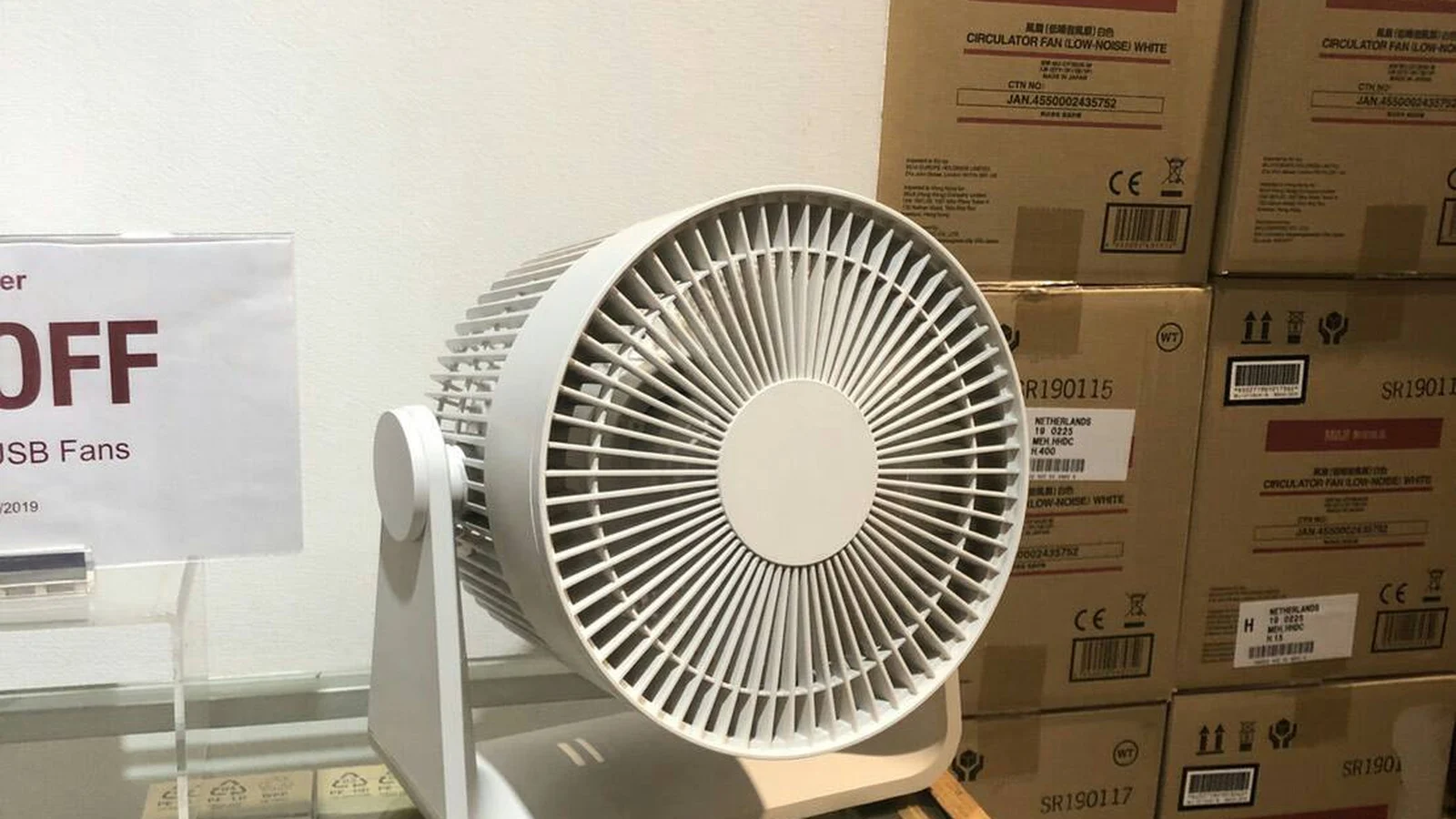
Desktop fans with remote control are small comfort tools, but the best choice is rarely just the strongest breeze. A desk fan must sit near monitors, laptops, notebooks, microphones, and coffee cups while staying quiet enough for calls and controllable enough that the user does not lean across the desk all day. This guide explains how to evaluate size, remote layout, oscillation, noise, cleaning, power, and use cases before choosing from a product roundup.
Start with the desk heat map
A remote-control fan solves a small but stubborn problem: the warm pocket around a laptop, monitor, lamp, charging hub, or sunny window. Before comparing sizes, notice where heat collects during a normal work hour. A fan pointed at the wrong zone becomes noise; a fan aimed at the wrists, face, or equipment gap can make a compact station feel much calmer. After that first heat-map pass, compare the LeStallion desktop fans with remote control shortlist against the real position where the fan will sit.
Keep airflow away from papers and microphones
Desktop fans are close to receipts, planners, sticky notes, microphones, and loose cables. A wide gust can scatter paper or send a headset microphone into constant wind noise. The better choice is not always the strongest motor; it is the fan with enough control to aim a narrow, comfortable breeze.
Treat the remote as part of the product
A remote is useful only when it is readable, easy to store, and unlikely to vanish. Look for clear speed buttons, timer labels, oscillation control, and a small place to park the remote. In shared spaces, a remote without a home becomes one more missing office item.
Check night and quiet modes honestly
Many shoppers want a desk fan that can also serve a bedside table or dorm shelf. Low speed should feel gentle and sound steady, not clicky or pulsing. A sleep timer is valuable when the fan is used near a bed, but only if the timer button is easy to understand in low light.
Use oscillation carefully on crowded desks
Oscillation can cool more area, yet it can also sweep air across papers, eyes, plants, and microphone pickup. On a dense desktop, a fixed angle or narrow oscillation may be better than a broad sweep. The best fan lets the user choose the pattern instead of forcing one behavior.
Power source changes placement
USB-powered fans are convenient near docks and chargers, while rechargeable fans can move between rooms. Wall-powered models may run stronger but need an outlet and cord path. Each power type changes where the fan can sit without crossing a keyboard or dangling from a shelf.
Mid-page product comparison checkpoint
Once placement, quietness, remote storage, and power are defined, return to the LeStallion remote-control desktop fan guide with stricter filters. Reject options that cannot park the remote, over-blow papers, hide cleaning access, or require a cord path that cuts through the work zone.
Plan cleaning before buying
Fan grills collect dust, especially beside monitors and keyboards. If the grill cannot be opened or wiped easily, the fan may become noisy, dirty, and less pleasant within a season. Cleaning access is not a luxury feature for a small appliance that moves air toward the face.
Think about the previous desk-comfort chain
This fan guide follows a prior workstation planning page about articulating keyboard arms with negative tilt. The connection is simple: both products change comfort only when they fit the actual desk, habits, and reset routine instead of just looking clever online.
Final buying stance
The best remote-control desktop fan is the one that feels boring after a week: easy to turn down, easy to aim, quiet enough to ignore, simple to clean, and stable enough that nobody has to move it constantly. Style matters, but daily control matters more.
Measure the direction of sunlight and equipment heat before deciding whether the fan belongs behind a monitor, beside a laptop, or on a shelf above the desk. This turns a vague comfort wish into a visible desk decision instead of a late return problem.
Set the fan at low speed during a call test and listen for motor hum, blade rush, and microphone pickup rather than relying only on a decibel number. The test should happen while the normal laptop, microphone, and papers are already on the surface.
Check how the remote feels when the fan is placed out of reach; button order, labels, and timer feedback become more important than they seem in a listing photo. A good remote-control fan reduces small interruptions instead of adding one more object to manage.
Confirm that the base does not rock when the desk is bumped, because lightweight fans can walk across smooth laminate surfaces during oscillation. If the answer feels awkward during a short rehearsal, it will feel worse during a full afternoon.
Keep the cleaning path visible; dust on blades and grills changes both airflow and smell, especially in rooms with paper, fabric, or pets. Keep the result written down so the product shortlist is judged by the room, not by a styled photo.
If the fan will move between office and bedside use, prefer controls that make sense in both bright daylight and a dark room. The same check also protects nearby people from unwanted air movement or distracting motor noise.
For shared spaces, write a simple reset rule: low speed off, oscillation centered, remote returned to the same tray or magnetic spot. This is especially useful for shared desks where the next person inherits the previous setup.
Evaluate the cord or charging cable with the desk fully in use, not with a staged empty surface, because cable conflicts create daily friction. A fan that passes this check usually needs fewer adjustments after the first week.
Run a paper test by placing one loose receipt, one sticky note, and one notebook near the fan path; if low speed moves them, the fan needs a different angle or weaker mode. Use the finding to decide whether the fan should sit on the desk, shelf, wall edge, or bedside table.
Think about seasonal use too: a fan that helps in July may sit unused in winter unless it stores cleanly, charges safely, and does not leave a dusty grill beside the keyboard. Seasonal storage matters too, because dusty unused fans often become unpleasant when restarted.
For small rooms, avoid assuming stronger is better; a focused breeze at low speed can feel more comfortable than a powerful fan that dries eyes or chills hands. Comfort should feel calm at low speed before anyone relies on higher settings.
If the remote uses batteries, record the battery type and keep the cover secure so the control is still useful months after the first purchase. Record the remote and battery detail with the rest of the desk notes so ownership stays simple.
Choose a fan with a visible speed state if multiple people use the desk, because the next user should not guess whether it is on timer, oscillation, or high speed. This turns a vague comfort wish into a visible desk decision instead of a late return problem.
Look for a base that can be wiped under and around easily, since dust rings and crumbs collect where the fan vibrates on a desk surface. The test should happen while the normal laptop, microphone, and papers are already on the surface.
If pets or children enter the room, check grill spacing, cord reach, and where the remote is stored before relying on the fan near an edge. A good remote-control fan reduces small interruptions instead of adding one more object to manage.
For video calls, test the fan from the camera angle too; a moving oscillation head or dangling cable can look distracting behind the laptop. If the answer feels awkward during a short rehearsal, it will feel worse during a full afternoon.
If the fan will sit near plants, documents, labels, or craft pieces, aim airflow around those objects so cooling does not become clutter control. Keep the result written down so the product shortlist is judged by the room, not by a styled photo.
A remote fan should still have usable onboard buttons in case the remote battery dies or the control is misplaced during a busy day. The same check also protects nearby people from unwanted air movement or distracting motor noise.
Before final purchase, compare the fan against a simple room sketch: outlet, seat, monitor, paper zone, sleep zone, and storage location. This is especially useful for shared desks where the next person inherits the previous setup.