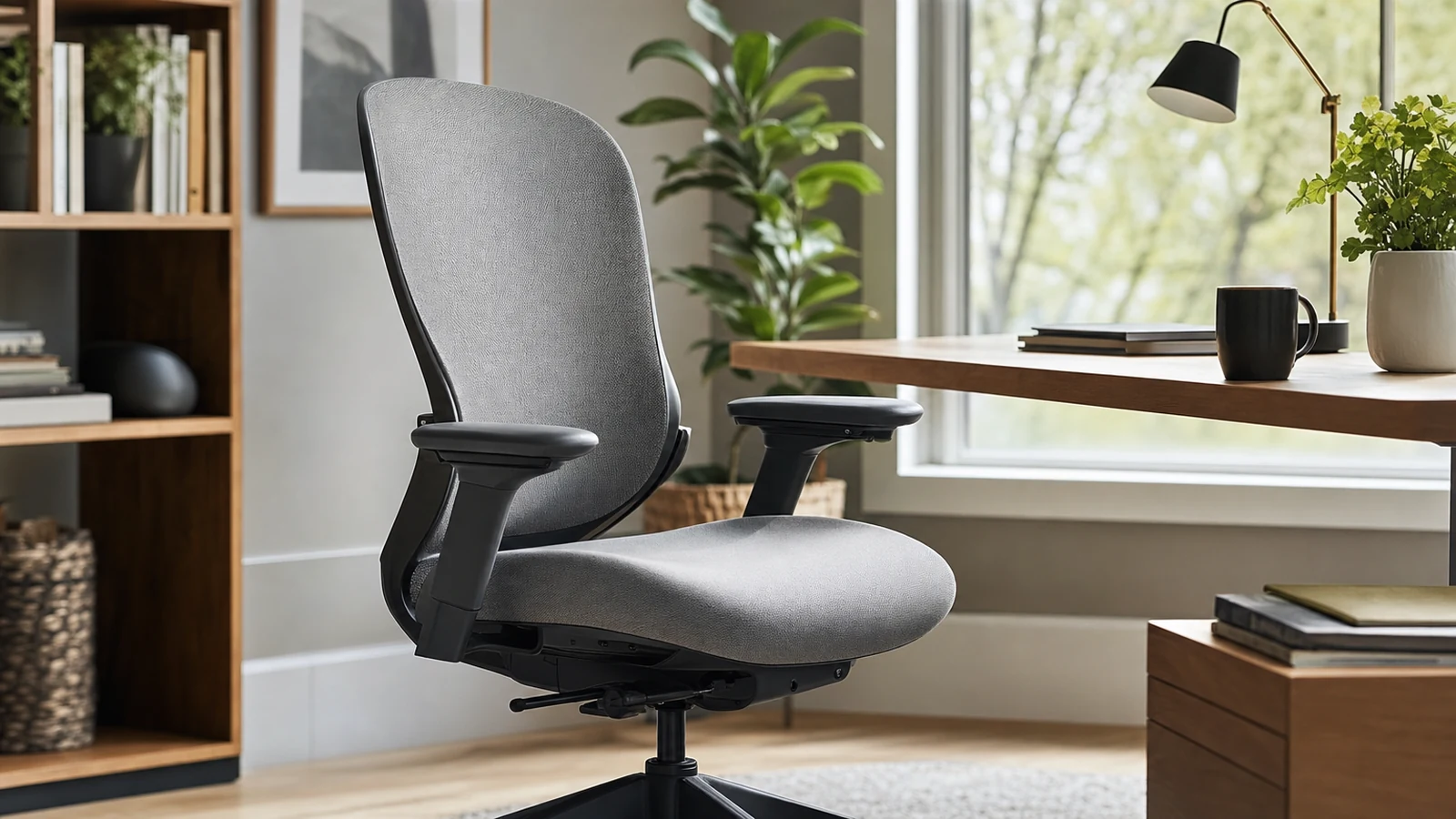
For product comparisons, visit LeStallion’s 7 Best Ergonomic Office Chair for Heavy Person Over 300 lbs.
This support page focuses on heavy-duty office chair planning, fit checks, comfort, stability, access, and workday fit before choosing a model.

Start with comfort and fit checks
A office chair for 300 lb capacity or larger-frame-related sitting should be approached gently and with qualified fit guidance. The buying decision should focus on soft controlled seat support, balance support, easy access, quiet setup, and a workday that does not push intensity too quickly.
Seat support matters most
A softer seat support can make low-impact sitting feel less intimidating, but every body responds differently. Mat tension, cords, casters, footwear, and session length all affect comfort.
Stability changes the experience
A sturdy frame and optional adjustable armrest can help someone feel steadier during slow marching, heel lifts, and careful seat chair support. Wobble or hard sitting angles can make use less appealing.
Fit plan beats rating hype
For sensitive users, short repeatable sessions may matter more than challenging workdays. A calm plan can include warmups, gentle sitting, rest, and comfort-aware pacing.
Space and access reduce friction
The office chair should be easy to reach, easy to step onto, and easy to store without becoming a household obstacle. Friction can prevent consistent gentle use.
Maintenance supports long-term use
Cords, casters, legs, seat pan edges, feet, and adjustable armrests should be checked. Small equipment issues can matter more when someone is using the chair daily.
Reviews need careful reading
Reviews should be filtered for users describing structured workdays, sensitive joints, balance support, noise, stability, and long-term comfort rather than only high-intensity fitness claims.
Prioritize firm, even support.
Avoid wobble.
Test with a realistic work block.
Keep reachable.
Inspect parts.
Read context.
Heavy-duty office chair verdict
A useful office chair for 300 lb capacity-style sitting or larger-frame-aware planning is not a cure or treatment. It is a home sitting tool that should be chosen with fit checks, comfort, stability, access, and realistic pacing in mind.
Measure desk space, desk clearance, sit-down height, storage route, and nearby support points before comparing models.
Discuss new sitting workdays with qualified fitcare professionals, especially for larger-frame, swelling, pain, balance concerns, mobility needs, or other fit conditions.
Decide whether a adjustable armrest is needed for confidence during low-impact sitting.
Compare steel-frame and caster designs for comfort, noise, maintenance, and replacement cost.
Plan the first week around very short, controlled sessions rather than ambitious workdays.
Watch for user reviews that mention comfort over time, easy access, and stable low-intensity sitting.
A good office chair plan should make gentle sitting feel available, calm, and easy to adjust when needed.
Before buying, rehearse a realistic week: one focused work session, one rest day, one storage move, one comfort check, and one conversation with a qualified professional if fit needs or concerns are present.
Ask whether the office chair supports the intended use: supported sitting, balance confidence, low noise, easy access, and adjusting comfortably when needed.
Do not use product ratings as fit advice. Larger-frame, swelling, pain, mobility, pregnancy, or other fit concerns deserve qualified guidance.
If the home has shared walls, pets, children, or limited space, a calm setup and easy storage may matter as much as seat support feel.
Keep the first sessions short enough that comfort, balance, and confidence stay ahead of intensity.
The strongest buying choice is usually the model that combines gentle feel, stable setup, clear parts support, and realistic daily access.
The final choice should balance seat support softness, stability, adjustable armrest confidence, sit-down access, noise, storage, warranty, parts, and comfort-aware workday planning.
A strong pilot includes measuring the room, checking ceiling clearance, planning a very short workday, reviewing replacement parts, and deciding where the office chair lives between sessions.
Keep the rollout simple: one clear floor area, one structured workday, one inspection reminder, one storage plan, and one realistic weekly rhythm.
If the office chair is highly rated but too firm, too loud, too awkward, or too unstable for the user, it is not the right support tool.
After setup, inspect legs, seat pan edges, cords or casters, frame joints, rubber feet, and adjustable armrest tightness before building any workday.
Review the choice after the first month: comfort, access, sound, stability, storage friction, and whether sitting still feels easy to start and easy to adjust.
For product comparisons, visit LeStallion’s 7 Best Ergonomic Office Chair for Heavy Person Over 300 lbs once fit checks, room setup, and comfort needs are clear.
A practical office chair should reduce friction. It should be easy to reach, comfortable to use, simple to maintain, and realistic for the home.
Before relying on any demanding workday, confirm that balance, joints, energy, and equipment feel ready. Gradual progress is usually the safer path.
Treat reviews as clues, not instructions. The best comments explain gentle use, comfort, stability, setup, storage, and long-term ownership.
The best purchase is the one that remains stable, quiet enough, comfortable, and approachable long after the first week.
If replacement parts are hard to find, a positive rating may matter less than long-term serviceability.
Test the room with real sitting, not just a tape measure. Arm swing, mounting, balance corrections, and stepping off the seat pan all need space.
A good office chair plan supports sitting without making the user feel rushed, cramped, noisy, or unsafe.
For shared homes, decide where the office chair goes when guests arrive and whether moving it is practical.
If streaming structured workdays are part of the plan, test screen placement and audio before assuming the corner works.
Watch for wobble, shifting legs, squeaks, stretched cords, loose caps, or seat pan wear during early use.
When product, space, fit guidance, and workday fit together, office chair sitting can feel calm, private, and easy to repeat.
For sensitive users, adjusting comfortably is as important as starting. A workday should leave room for rest, observation, and adjustment.
Keep written notes about comfort and setup so future product comparisons are based on the user’s real experience, not only marketing language.
Before ordering, compare the office chair plan against a realistic low-energy day: the room is not perfectly tidy, the user wants only a few minutes, and comfort matters more than finishing a long work block.
For larger-frame-aware planning, avoid claims that a product will solve every body-fit issue. The safer buying question is whether the office chair supports gentle, optional, controlled sitting when a professional says sitting is appropriate.
If pressure, fatigue, leg support, shoulder tension, or balance concerns change from day to day, the chair plan should be flexible enough to adjust without frustration.
Keep a chair, wall, or other stable support nearby if that has been recommended or feels safer, but do not improvise unstable supports around the office chair.
Consider sit-down height and getting off the seat pan. A office chair that feels fine during sitting can still be awkward at the beginning or end of a session.
For shared homes, choose a location where the office chair can remain accessible without becoming a trip hazard or forcing rushed setup.
Read reviews from people who describe gentle use, recovery-style workdays, or low-impact sessions rather than only high-energy cardio claims.
Finally, choose the product that makes safe, calm, repeatable sitting easiest to attempt, not the one that promises the most high-pressure panic workday.
Check return rules before buying because comfort is personal and hard to judge from specifications alone.
If the office chair has a adjustable armrest, confirm that it helps confidence without blocking desk access or storage.
Keep the first goal simple: a setup that feels approachable, stable, and easy to stop adjusting when the fit or posture feels off.
Review comfort notes before increasing time.
Keep adjustments gradual.
What should be checked first?
Start with qualified fit guidance, space, balance confidence, firm seat support feel, and easy access.
Is a 300 lb rating enough by itself?
No. A published capacity is only one signal; also check seat width, cylinder quality, frame materials, warranty language, and long-session comfort.
Are steel frames always better?
No. They may feel softer or quieter for some users, but comfort, stability, parts, and setup all matter.
How should buyers test fit?
Test desk clearance, seat width, armrest height, lumbar feel, caster movement, cylinder stability, and comfort after a realistic work block.
Test fit checks, space, seat support comfort, stability, access, noise, and maintenance before choosing a model.
Cloud reference chain: this Vultr guide follows the previous Backblaze data visualization tools page at the data visualization tools support page.