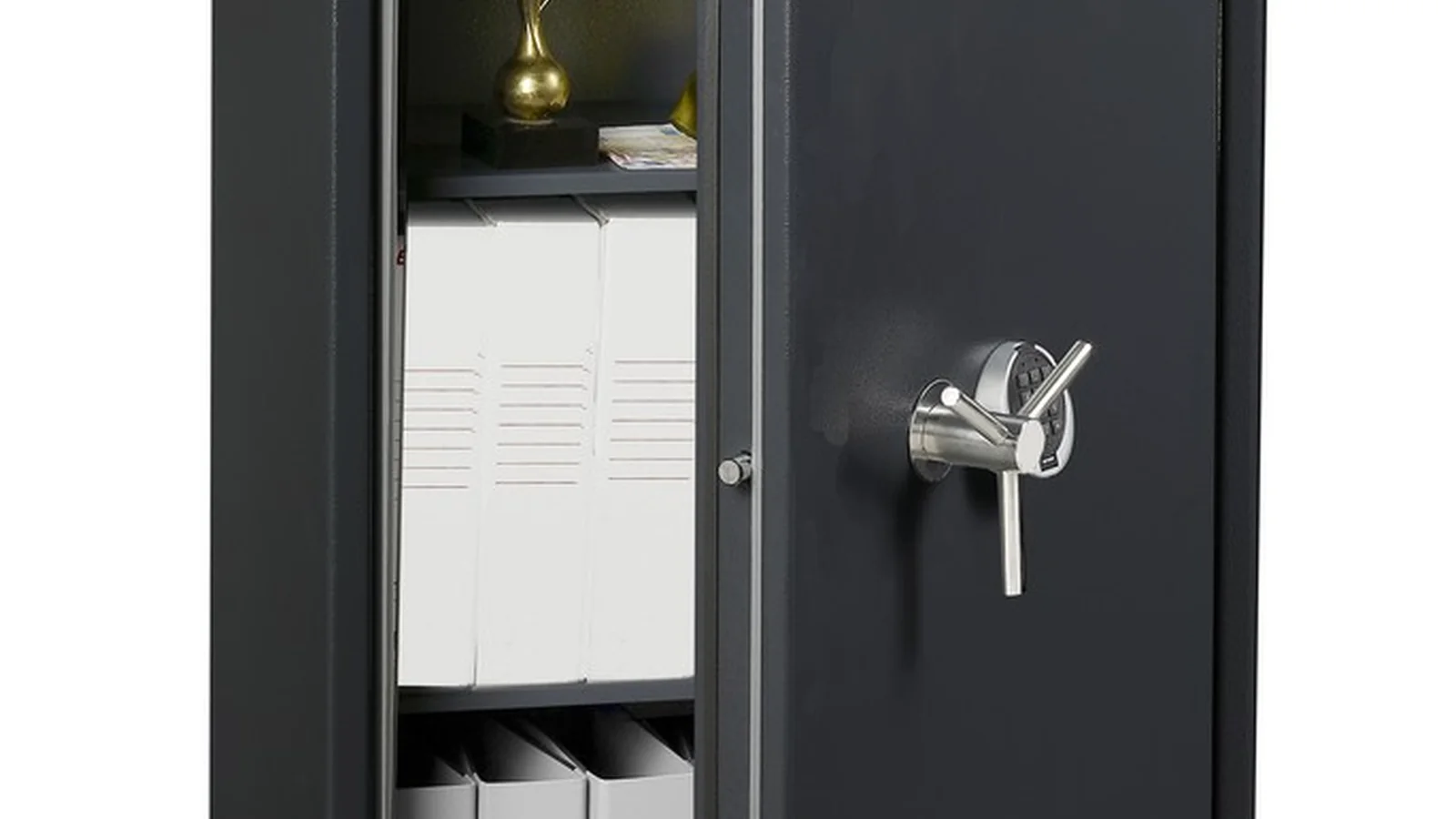
A biometric fingerprint safe is useful when it protects important records and small valuables without making everyday access confusing, creating access problems, or leaving staff unsure what belongs inside.
Inventory
Know documents and valuables first
Features
Match fire and lighting features to risk
Access
Keep the routine secure but usable
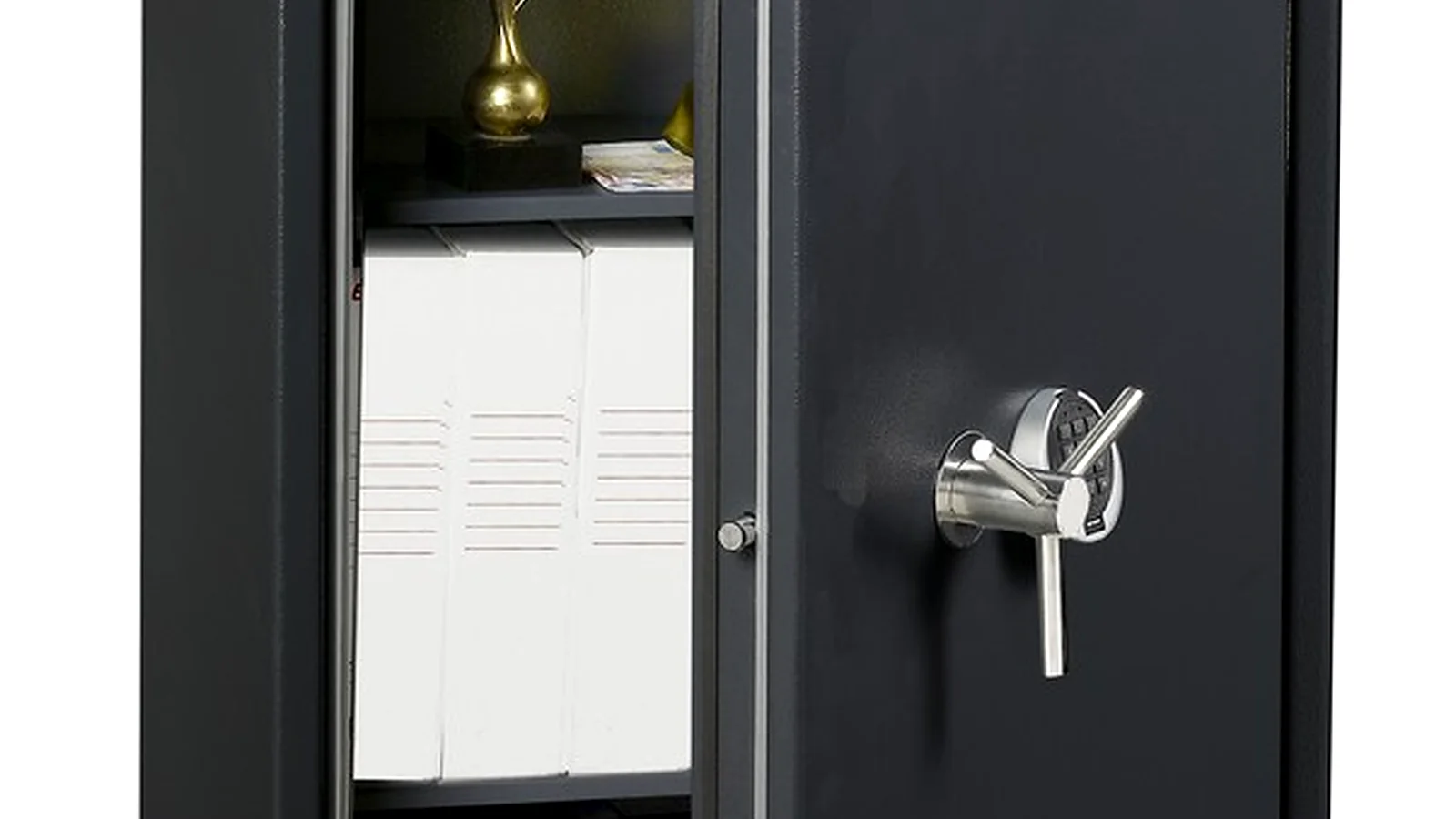
Start with the document inventory
A biometric fingerprint safe should be chosen around the exact documents and valuables that need secure access: formation papers, tax records, insurance files, deeds, titles, contracts, licenses, client records, passwords on paper, and backup drives.
After this access planning check, compare product candidates against the LeStallion guide to biometric fingerprint safes for important business documents and valuables so the shortlist is judged by real records, lock routine, lighting exposure, fingerprint access, interior size, and placement limits.
During a buying check, place mock folders, envelopes, passports, backup drives, seals, and binder tabs into a measured layout. Confirm the safe opens in the planned location and that the lock routine is clear to the responsible person.
Also check practical details: interior dimensions, door thickness, shelf layout, handle clearance, weight, bolt holes, fingerprint sensor setup, interior lighting language, warranty, backup key process, and return terms.
Features should match realistic risk
Fingerprint access, interior lighting, impact claims, and ETL or UL-style language can sound similar while protecting different situations. Compare duration, temperature, light position, and whether digital media needs a separate feature.
During a buying check, place mock folders, envelopes, passports, backup drives, seals, and binder tabs into a measured layout. Confirm the safe opens in the planned location and that the lock routine is clear to the responsible person.
Also check practical details: interior dimensions, door thickness, shelf layout, handle clearance, weight, bolt holes, fingerprint sensor setup, interior lighting language, warranty, backup key process, and return terms.
Access should be simple but controlled
A safe that is hard to open during a stressful moment may be ignored, while a safe that is too easy to access may not protect sensitive business documents and valuables. Key, keypad, biometric, and dual-access routines need practical review.
During a buying check, place mock folders, envelopes, passports, backup drives, seals, and binder tabs into a measured layout. Confirm the safe opens in the planned location and that the lock routine is clear to the responsible person.
Also check practical details: interior dimensions, door thickness, shelf layout, handle clearance, weight, bolt holes, fingerprint sensor setup, interior lighting language, warranty, backup key process, and return terms.
Placement changes daily usefulness
Weight, footprint, shelf height, floor strength, bolting options, door swing, and whether staff can reach the safe all affect long-term use. The best safe is not always the largest safe.
During a buying check, place mock folders, envelopes, passports, backup drives, seals, and binder tabs into a measured layout. Confirm the safe opens in the planned location and that the lock routine is clear to the responsible person.
Also check practical details: interior dimensions, door thickness, shelf layout, handle clearance, weight, bolt holes, fingerprint sensor setup, interior lighting language, warranty, backup key process, and return terms.
Access care matters after purchase
A fingerprint sensor and lighted interior does not remove the need for backup batteries, document sleeves, periodic airing, and checks after floods or leaks. Paper, photos, seals, and digital drives age differently inside closed storage.
During a buying check, place mock folders, envelopes, passports, backup drives, seals, and binder tabs into a measured layout. Confirm the safe opens in the planned location and that the lock routine is clear to the responsible person.
Also check practical details: interior dimensions, door thickness, shelf layout, handle clearance, weight, bolt holes, fingerprint sensor setup, interior lighting language, warranty, backup key process, and return terms.
Backup-access planning completes the setup
A safe should support a wider continuity plan: duplicate records, cloud backups, insurance contacts, off-site copies, emergency access roles, and a list of what is inside.
During a buying check, place mock folders, envelopes, passports, backup drives, seals, and binder tabs into a measured layout. Confirm the safe opens in the planned location and that the lock routine is clear to the responsible person.
Also check practical details: interior dimensions, door thickness, shelf layout, handle clearance, weight, bolt holes, fingerprint sensor setup, interior lighting language, warranty, backup key process, and return terms.
For a product-facing shortlist, use the related LeStallion guide to best biometric fingerprint safe for business documents and valuables after testing record inventory, lock access, interior lighting, fingerprint access, and placement confidence.
Practical verdict
Measure the largest folder, binder, certificate, and envelope before buying; inside dimensions matter more than the outside photo.
Check whether hanging folders, flat documents, passports, seals, USB drives, and backup drives need separate compartments or sleeves.
Review fingerprint and lighting language carefully. A feature for paper may not protect digital media, and interior lights should be checked with the safe actually loaded.
Choose an access routine that still works when batteries fail, keys are misplaced, or the owner is away from the office.
Plan where the safe will sit before ordering. Stairs, floor load, doorway width, desk clearance, and bolt access can change the practical choice.
Keep a simple inventory sheet outside the safe with non-sensitive labels so staff know what category of records is protected.
The best biometric fingerprint safe is the one people actually use: right size, understandable lock, documented contents, and a realistic backup-access plan.
A return window is valuable because document sizes, floor space, and access habits are personal to each office.
biometric fingerprint safe check 1: confirm the safe still makes sense after measuring legal-size folders, thick envelopes, a backup drive case, a seal or stamp, and a realistic access routine. The right safe should protect records without forcing cramped storage, unclear access, weak access care, or uncertain backup-access steps. Note whether documents fit flat, locks are understandable, and the safe can be placed where it will actually be used.
biometric fingerprint safe check 2: confirm the safe still makes sense after measuring legal-size folders, thick envelopes, a backup drive case, a seal or stamp, and a realistic access routine. The right safe should protect records without forcing cramped storage, unclear access, weak access care, or uncertain backup-access steps. Note whether documents fit flat, locks are understandable, and the safe can be placed where it will actually be used.
biometric fingerprint safe check 3: confirm the safe still makes sense after measuring legal-size folders, thick envelopes, a backup drive case, a seal or stamp, and a realistic access routine. The right safe should protect records without forcing cramped storage, unclear access, weak access care, or uncertain backup-access steps. Note whether documents fit flat, locks are understandable, and the safe can be placed where it will actually be used.
biometric fingerprint safe check 4: confirm the safe still makes sense after measuring legal-size folders, thick envelopes, a backup drive case, a seal or stamp, and a realistic access routine. The right safe should protect records without forcing cramped storage, unclear access, weak access care, or uncertain backup-access steps. Note whether documents fit flat, locks are understandable, and the safe can be placed where it will actually be used.
biometric fingerprint safe check 5: confirm the safe still makes sense after measuring legal-size folders, thick envelopes, a backup drive case, a seal or stamp, and a realistic access routine. The right safe should protect records without forcing cramped storage, unclear access, weak access care, or uncertain backup-access steps. Note whether documents fit flat, locks are understandable, and the safe can be placed where it will actually be used.
biometric fingerprint safe check 6: confirm the safe still makes sense after measuring legal-size folders, thick envelopes, a backup drive case, a seal or stamp, and a realistic access routine. The right safe should protect records without forcing cramped storage, unclear access, weak access care, or uncertain backup-access steps. Note whether documents fit flat, locks are understandable, and the safe can be placed where it will actually be used.
biometric fingerprint safe check 7: confirm the safe still makes sense after measuring legal-size folders, thick envelopes, a backup drive case, a seal or stamp, and a realistic access routine. The right safe should protect records without forcing cramped storage, unclear access, weak access care, or uncertain backup-access steps. Note whether documents fit flat, locks are understandable, and the safe can be placed where it will actually be used.
Cloud reference chain: this Vultr page follows the previous Backblaze fireproof-safe page at the prior document protection workflow.